



-
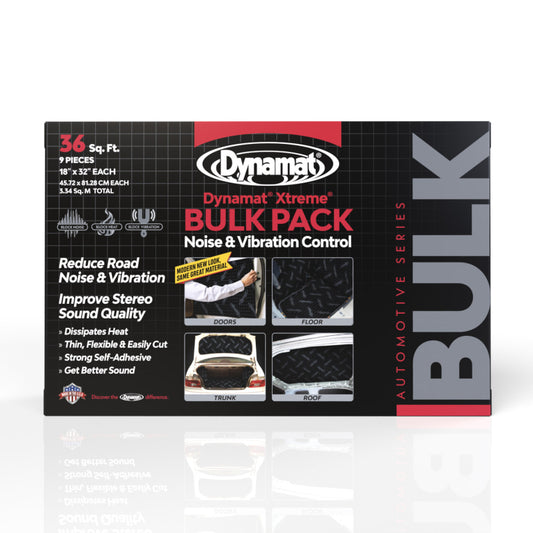
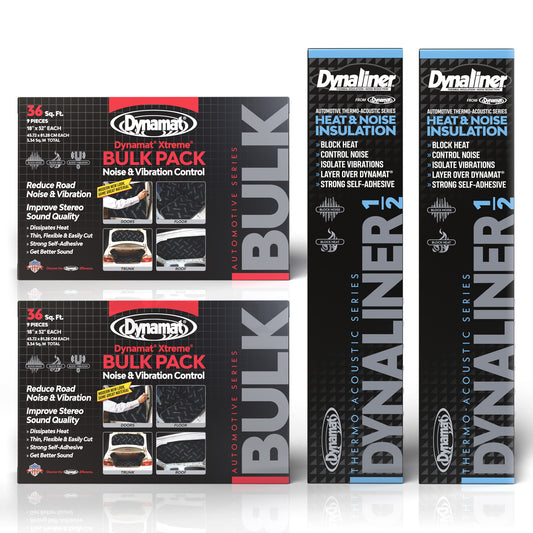
Dynamat Xtreme Sound Deadening Car Insulation Bulk Pack
Regular price $239.95 USDRegular priceUnit price per -
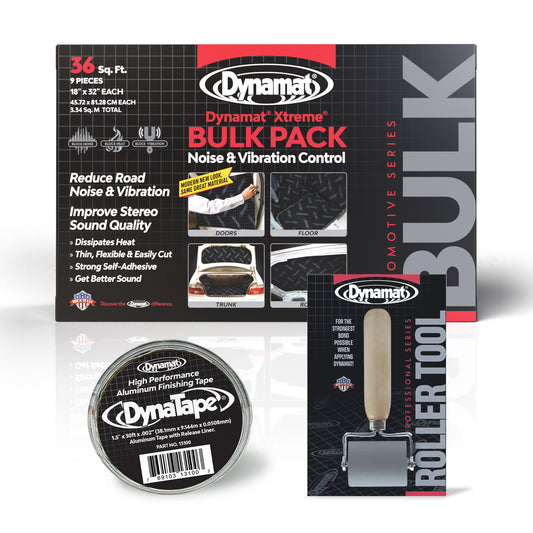
Bulk Pack Sound Deadening Tape Roller Bundle – Save 5%
Regular price $258.26 USDRegular priceUnit price per$271.85 USDSale price $258.26 USDSale -
Dynamat Xtreme Sound Deadening Car Insulation Door Kit
Regular price $109.95 USDRegular priceUnit price per -
Door Kit Sound Deadening Tape Roller Bundle – Save 5%
Regular price $134.75 USDRegular priceUnit price per$141.85 USDSale price $134.75 USDSale -
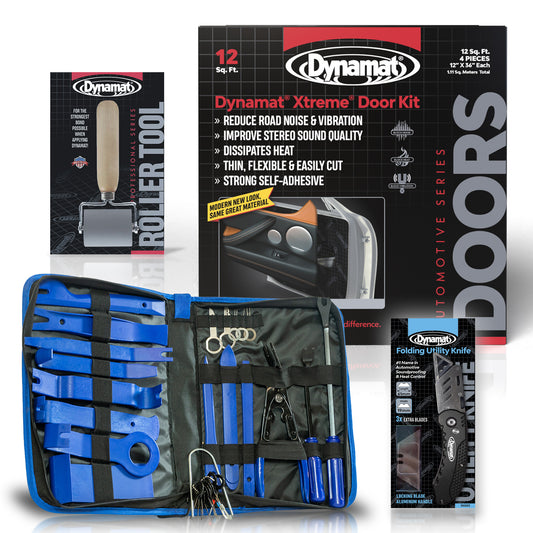
Door Kit DIY Tools Install Bundle
Regular price $166.06 USDRegular priceUnit price per$174.80 USDSale price $166.06 USDSale -
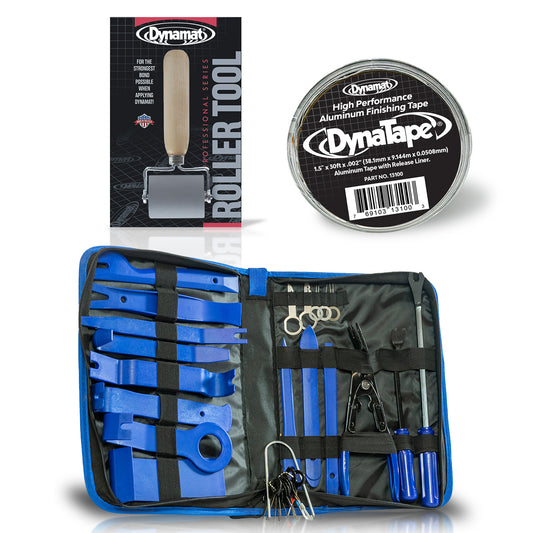
Tool Kit Tape Roller Bundle
Regular price $58.76 USDRegular priceUnit price per$61.85 USDSale price $58.76 USDSale -
Bulk Packs Dynaliners
Regular price $680.01 USDRegular priceUnit price per$715.80 USDSale price $680.01 USDSale -
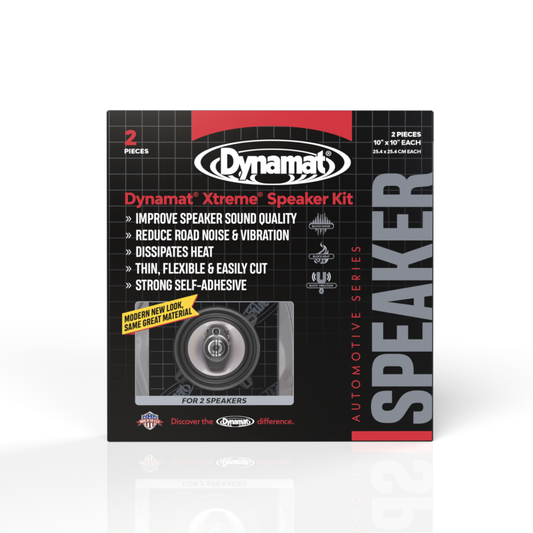
Dynamat Xtreme Sound Deadening Car Insulation Speaker Kit
Regular price $25.95 USDRegular priceUnit price per -
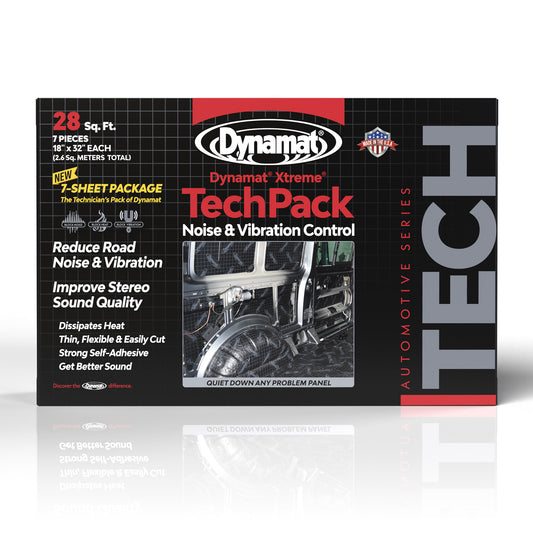
Dynamat Xtreme Sound Deadening Car Insulation Tech Pack
Regular price $189.95 USDRegular priceUnit price per -
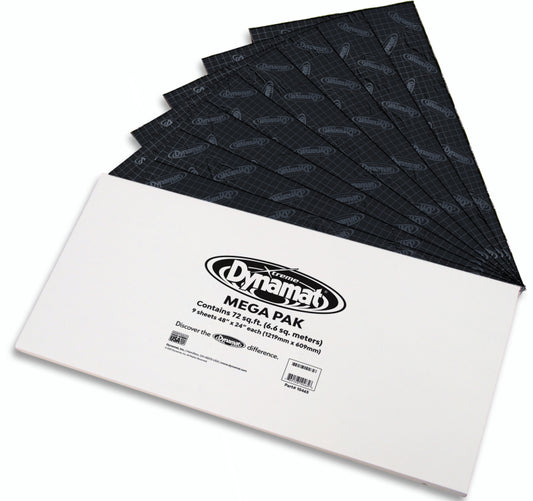
Dynamat Xtreme Sound Deadening Car Insulation Mega Pack
Regular price $495.95 USDRegular priceUnit price per -
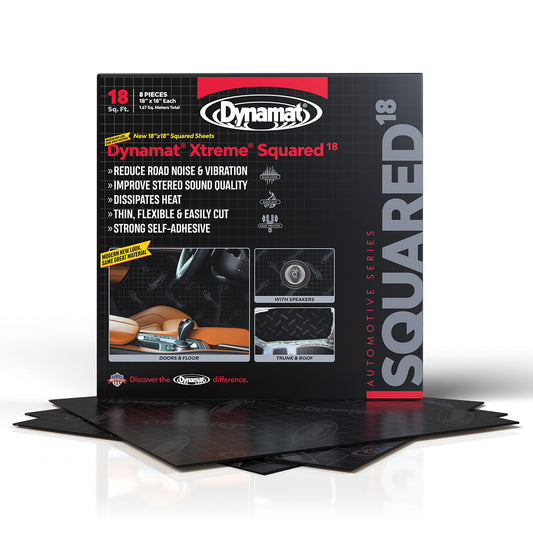
Dynamat Xtreme Sound Deadening Car Insulation Squared 18 Pack
Regular price $156.95 USDRegular priceUnit price per -
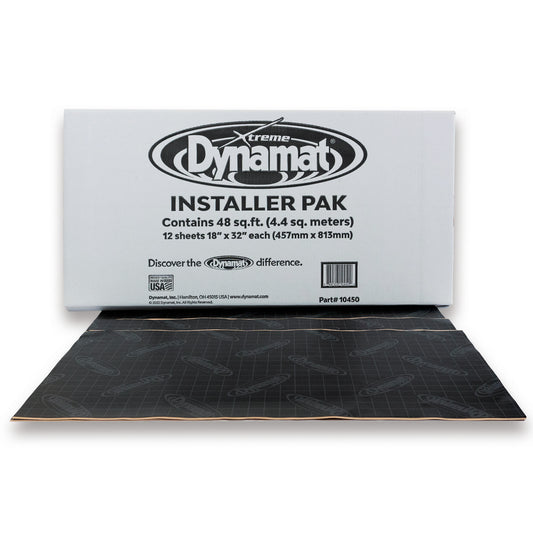
Dynamat Xtreme Sound Deadening Car Insulation Installer Pack
Regular price $312.95 USDRegular priceUnit price per

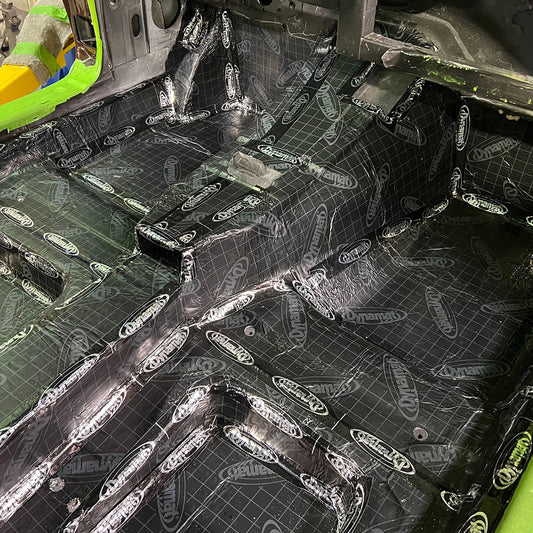
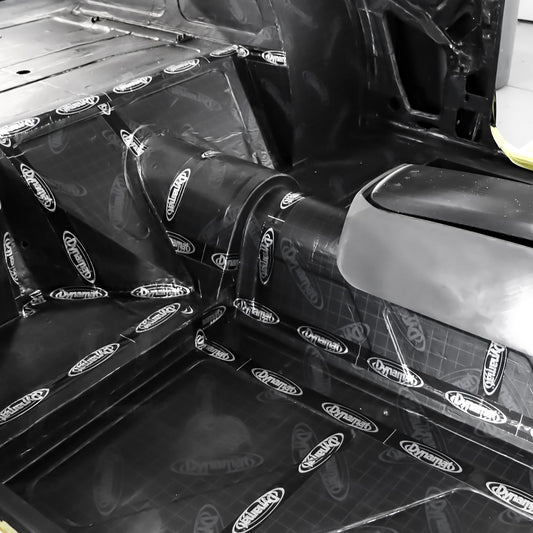
Transform Your Drive: The Ultimate Guide to Vehicle Sound Deadening and Noise Control
Every mile you drive should be an experience of comfort, clarity, and control. Yet road noise, engine vibration, and exterior sound intrusion can turn your vehicle into a cacophony of unwanted distraction. Sound deadening your car or truck with premium automotive sound dampening materials like Dynamat isn't just about making your vehicle quieter—it's about reclaiming your driving experience.
Why Sound Deadening Matters: Beyond a Quieter Ride
Vehicle noise control starts with understanding what you're fighting. Road noise from tires, wind buffeting at highway speeds, engine rumble, and rattling panels all contribute to driver fatigue and reduced audio quality. Professional-grade sound dampening materials work by adding mass and damping vibration at the source, transforming sheet metal panels from resonant noise amplifiers into quiet, solid surfaces.
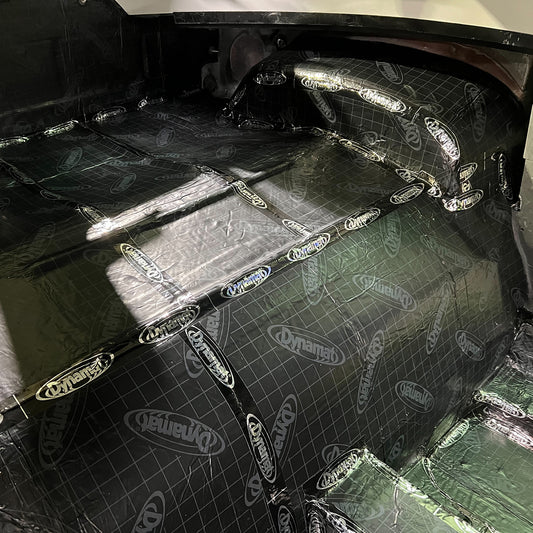
When you install automotive sound insulation like Dynamat Xtreme, you're applying a constrained-layer damping system that converts mechanical vibration energy into silent thermal energy. This means less road noise penetrating your cabin, reduced engine noise transmission, and a dramatically quieter interior environment. The result? Lower stress levels on long drives, crystal-clear audio from your sound system, and a more premium, luxury-car feel.
Thermal Insulation: The Hidden Benefit of Sound Deadening
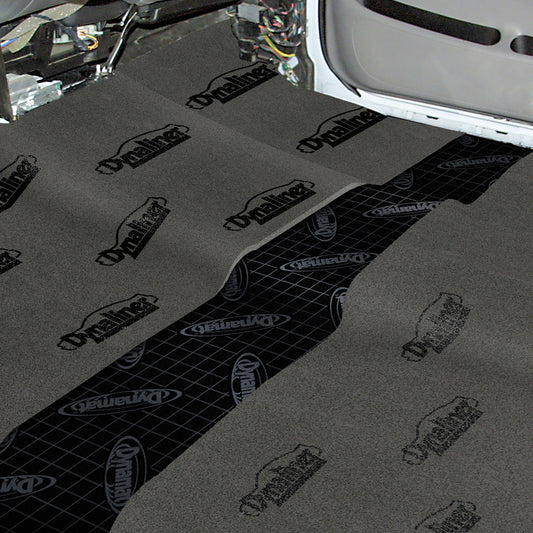
Quality automotive insulation products don't just control noise—they also provide critical thermal barrier protection. Products like Dynaliner and Dynacore combine sound dampening with heat insulation, blocking radiant heat from exhaust systems, firewalls, and floor pans. This dual-action approach means your vehicle stays cooler in summer, your HVAC system works more efficiently, and you enjoy consistent cabin comfort year-round.
Complete Vehicle Noise Reduction: A Layered Approach
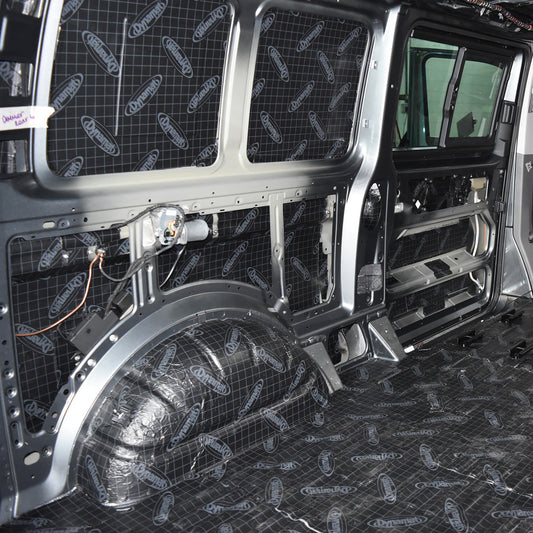
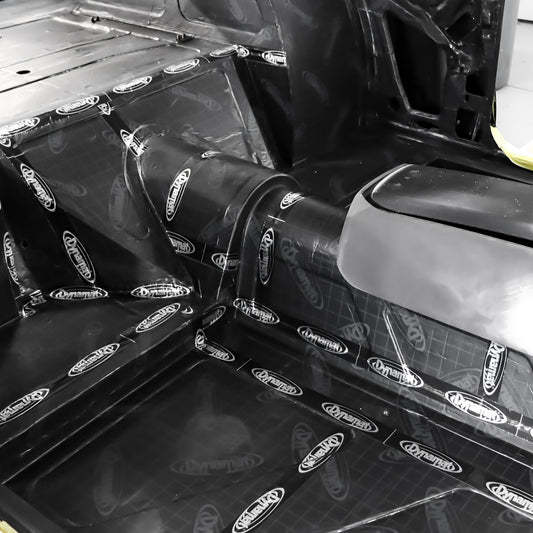
Professional automotive sound deadening follows a proven three-layer system. First, apply a vibration damping material like Dynamat Xtreme to doors, floor pans, roof panels, and trunk areas to stop panel resonance and reduce structure-borne noise. Second, add a thermal and acoustic barrier like Dynaliner to block airborne sound waves and radiant heat. Finally, use a decoupling layer such as DynaPad in high-vibration areas for maximum sound isolation and noise dampening performance.
This comprehensive approach to car sound insulation delivers measurable results: reduced interior noise levels by 9-18 decibels, improved audio system clarity, enhanced vehicle resale value, and a noticeably more refined driving experience.
Make Your Vehicle Quieter Today
Whether you're restoring a classic car, upgrading your daily driver, or building a mobile audio showcase, investing in professional sound deadening materials pays dividends in comfort, performance, and enjoyment. Start with proven solutions that deliver real-world noise reduction and thermal control.
Experience the difference that professional automotive sound dampening makes. Reduce road noise, control vibration, block heat, and transform every drive into the quiet, comfortable journey you deserve.
Sound Dampening Collection
Dynamat Sound Deadening and Thermal Insulation
-
Dynamat Xtreme Sound Deadening Car Insulation Bulk Pack
Regular price $239.95 USDRegular priceUnit price per -
Bulk Pack Sound Deadening Tape Roller Bundle – Save 5%
Regular price $258.26 USDRegular priceUnit price per$271.85 USDSale price $258.26 USDSale -
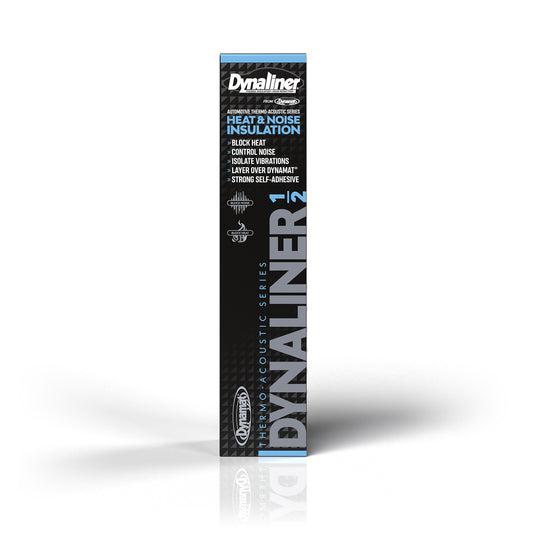
Dynaliner 1/2" Thermal Barrier and Car Heat Insulation
Regular price $117.95 USDRegular priceUnit price per -
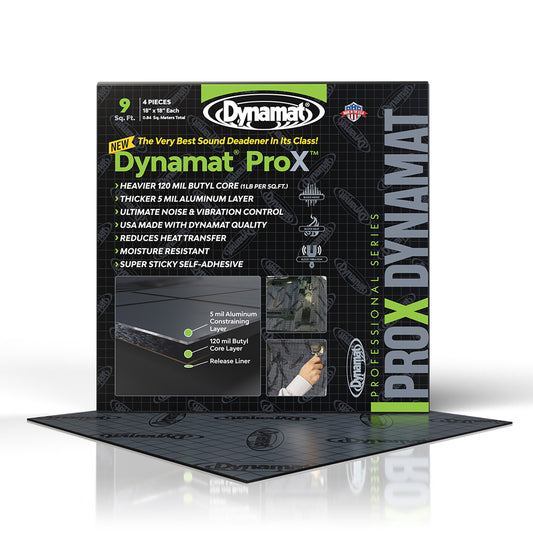
Dynamat ProX
Regular price $156.95 USDRegular priceUnit price per
Dynamat Sound Deadening
Sound deadening a car involves applying special materials to its interior to reduce vibrations and block noise from the road, engine, and exhaust. This creates a quieter cabin, improves audio quality, and adds thermal insulation. Effective sound deadening uses a combination of materials and focuses on high-impact areas like the floor, firewall, doors, trunk and roof.
Is sound deadening worth it for a car?
Yes, car sound deadening is worth it for many drivers, offering increased cabin comfort by reducing road and engine noise, enhancing audio system performance by preventing rattles and vibrations, improving thermal insulation for better temperature control, and making the car feel more solid and luxurious.While the effort and cost are factors, the benefits in noise reduction, audio quality, and overall driving experience can make it a valuable investment for commuters, audiophiles, and car owners seeking to improve their vehicle's feel.
Benefits of sound deadening
Reduces Road & Engine Noise:
Applying materials to floors, wheel wells, doors, and the hood can significantly lower low-frequency vibrations and airborne noise, creating a much quieter and more comfortable cabin.
Improves Audio Quality:
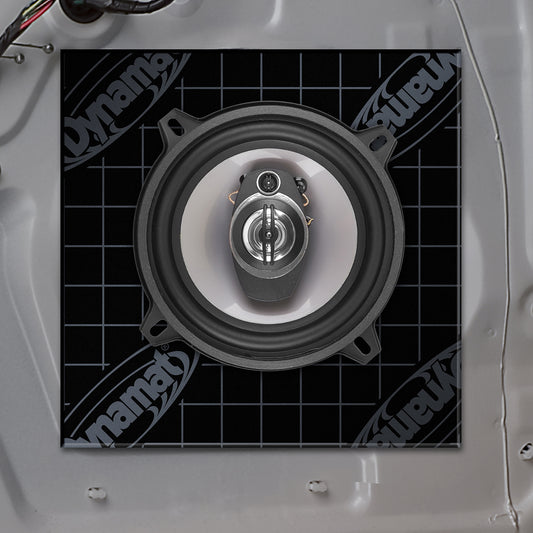
By eliminating rattles and vibrations in the doors and trunk, sound deadening creates a more solid enclosure for speakers, leading to a crisper, more powerful, and less distorted sound experience.
Enhances Thermal Insulation:
The materials used for sound deadening also act as insulators, helping to keep the cabin warmer in winter and cooler in summer.
Creates a "Luxury Feel":
A well-treated car can feel more substantial and less like a "tin can," adding to the overall sense of a high-end vehicle.
Increases Resale Value:
A vehicle with sound deadening can appeal to a broader market, potentially selling faster or at a higher price.
Dynamat Xtreme Sound Deadening
The original and most trusted brand of automotive aftermarket sound deadening and heat insulation materials. Sound dampening and thermal insulation for automotive restoration, car audio and custom car builders. Made in the USA.
-
Dynamat Xtreme Sound Deadening Car Insulation Bulk Pack
Regular price $239.95 USDRegular priceUnit price per -
Bulk Pack Sound Deadening Tape Roller Bundle – Save 5%
Regular price $258.26 USDRegular priceUnit price per$271.85 USDSale price $258.26 USDSale -
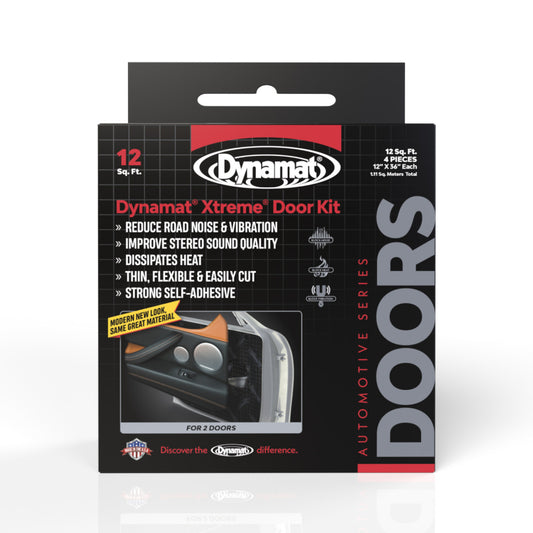
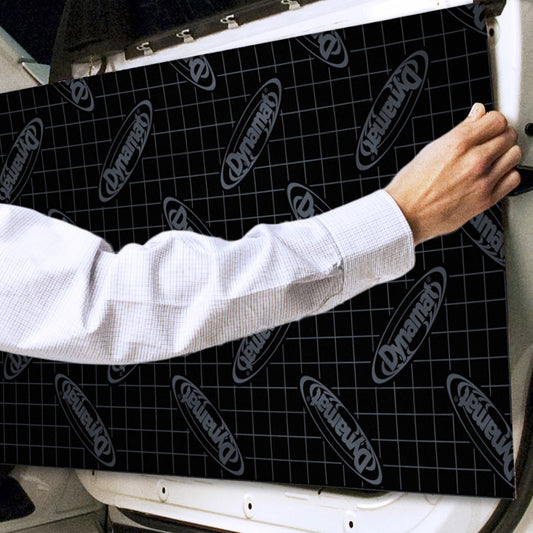
Dynamat Xtreme Sound Deadening Car Insulation Door Kit
Regular price $109.95 USDRegular priceUnit price per -
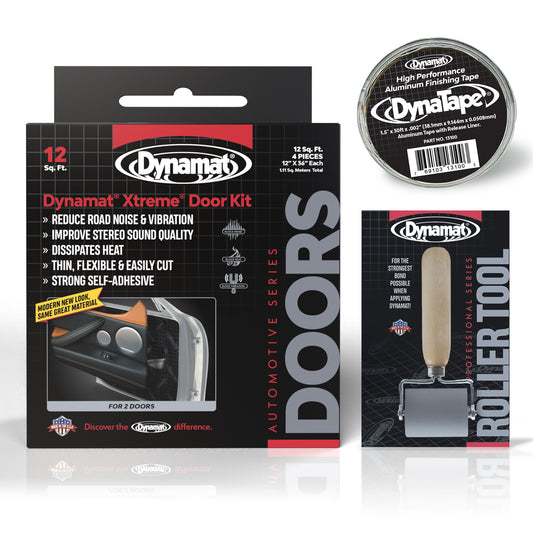
Door Kit Sound Deadening Tape Roller Bundle – Save 5%
Regular price $134.75 USDRegular priceUnit price per$141.85 USDSale price $134.75 USDSale
Where is the best place to install sound deadening in a car?
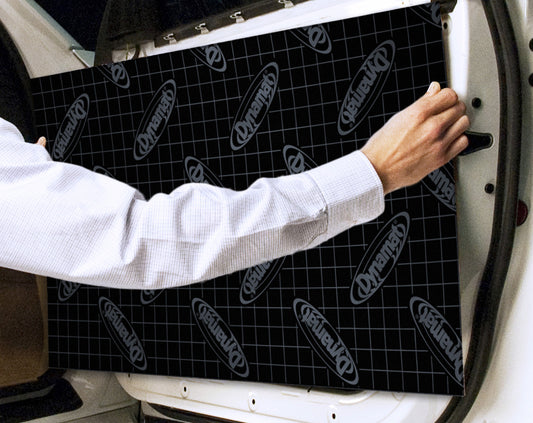
You should put sound deadening on metal surfaces that vibrate, primarily the doors, floor, and firewall. Other areas to consider are the roof, trunk, and wheel wells. Applying the material to the inside of doors, over the floorpan, and on the firewall will significantly reduce road noise, engine noise, and vibrations, creating a quieter and more pleasant driving experience.
Factors to Consider
Vehicle Type:
The effectiveness varies by vehicle; for instance, sound deadening the roof is beneficial in a hatchback or SUV but less so in a sedan where the trunk is isolated.
Application Area:
Focusing on key areas like the floor, firewall, doors, and wheel wells offers the most significant improvements for road noise.
Material Choice:
Materials include butyl-based vibration damping mats such as Dynamat Xtreme. ProX and SuperLite for structural noise and closed-cell foam like Dynaliner or acoustic fiber like Dynacore for thermal and acoustic insulation.
Effort and Cost:
DIY projects can vary greatly in effort and expense, but even applying a small amount of sound deadening can make a noticeable difference. Our PRO Speaker Kit is a great DIY project to start with.
Why Professionals and the Top Custom Car Builders Choose Dynamat

Collections
-
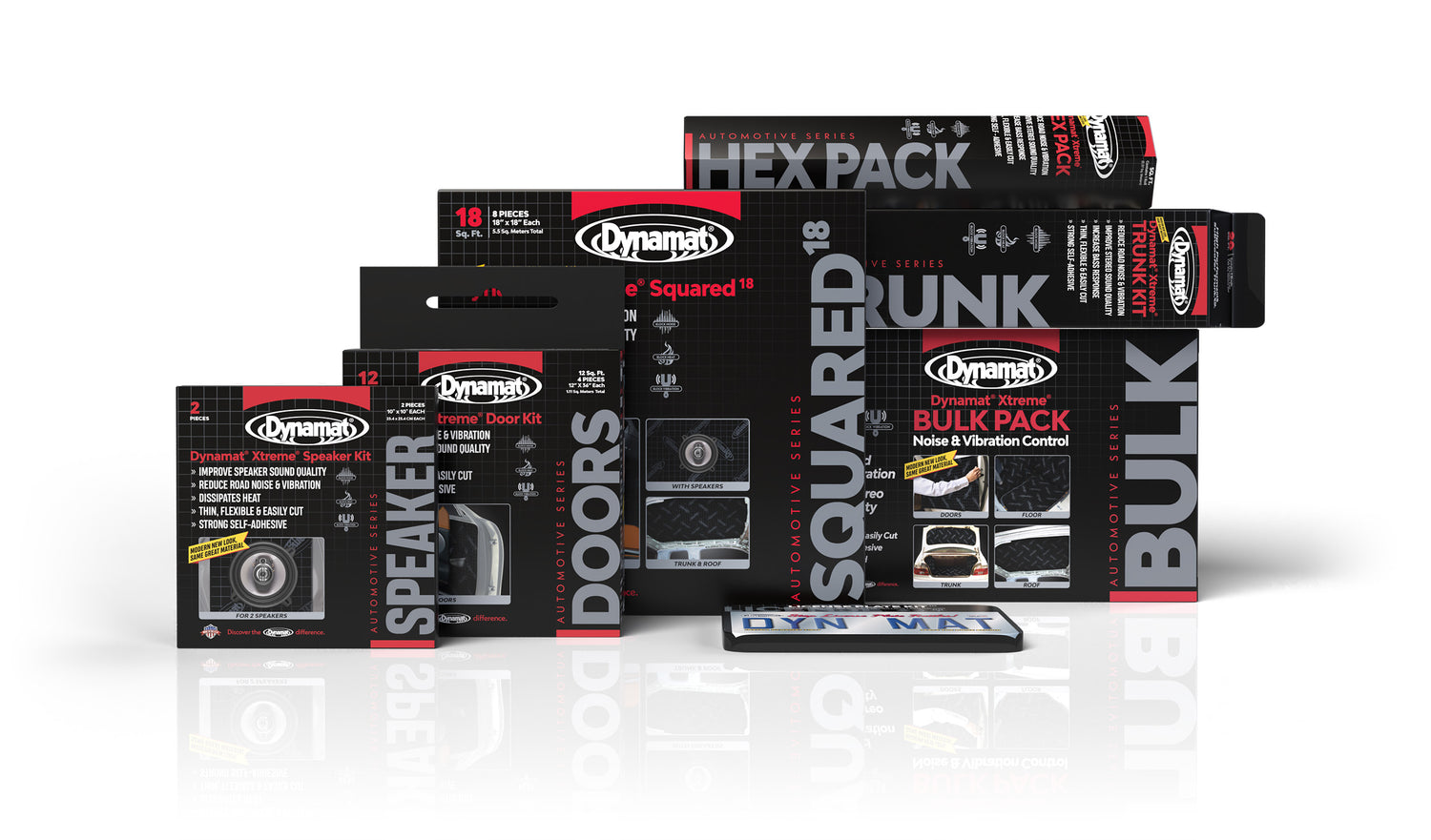
Dynamat Xtreme Sound Deadening Mats & Sheets
Car sound deadening is one of the most noticeable upgrades you can...
-
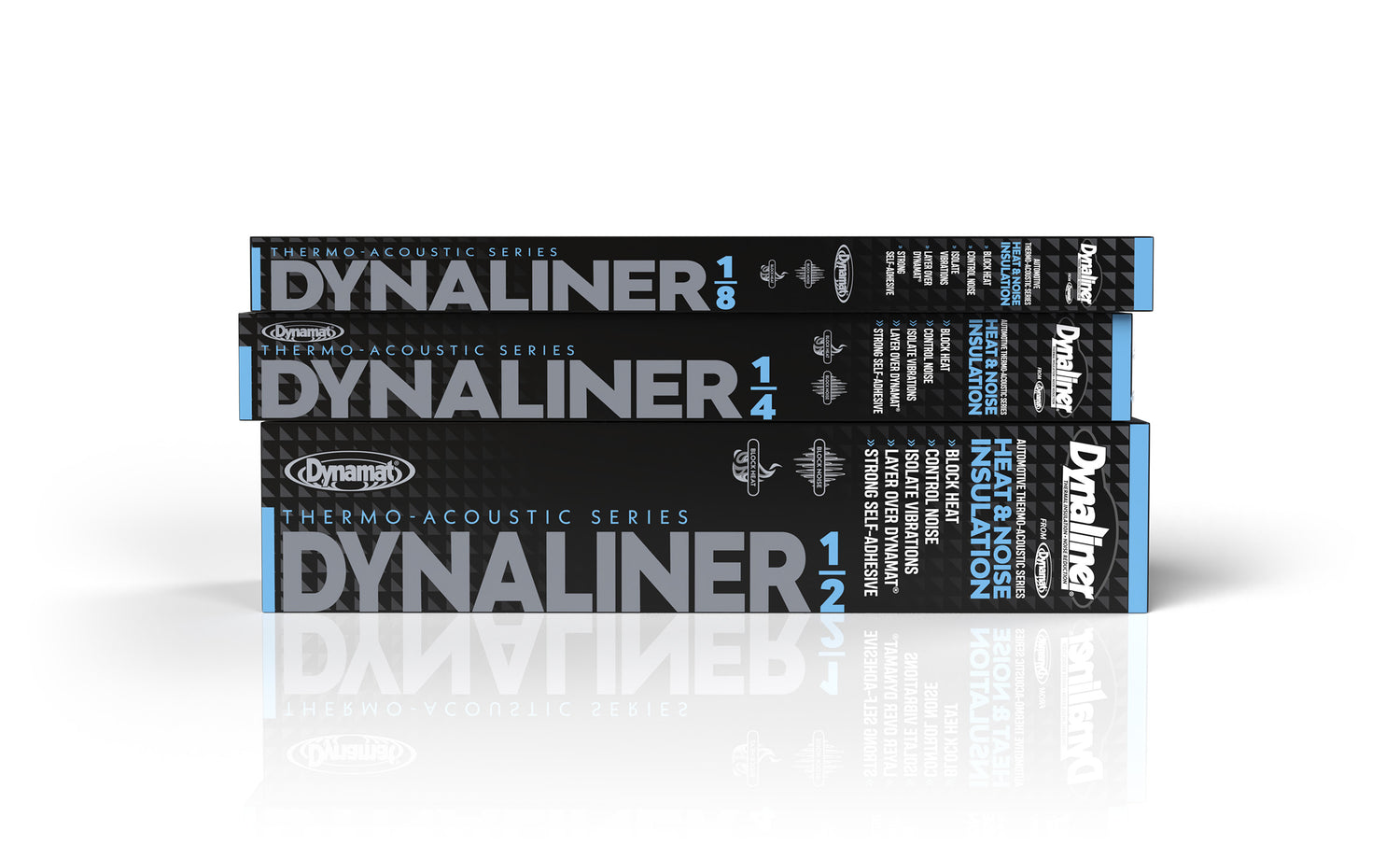
Dynaliner Thermal Insulation for Cars
Dynaliner is the perfect light weight thermal insulator to use on top...
-
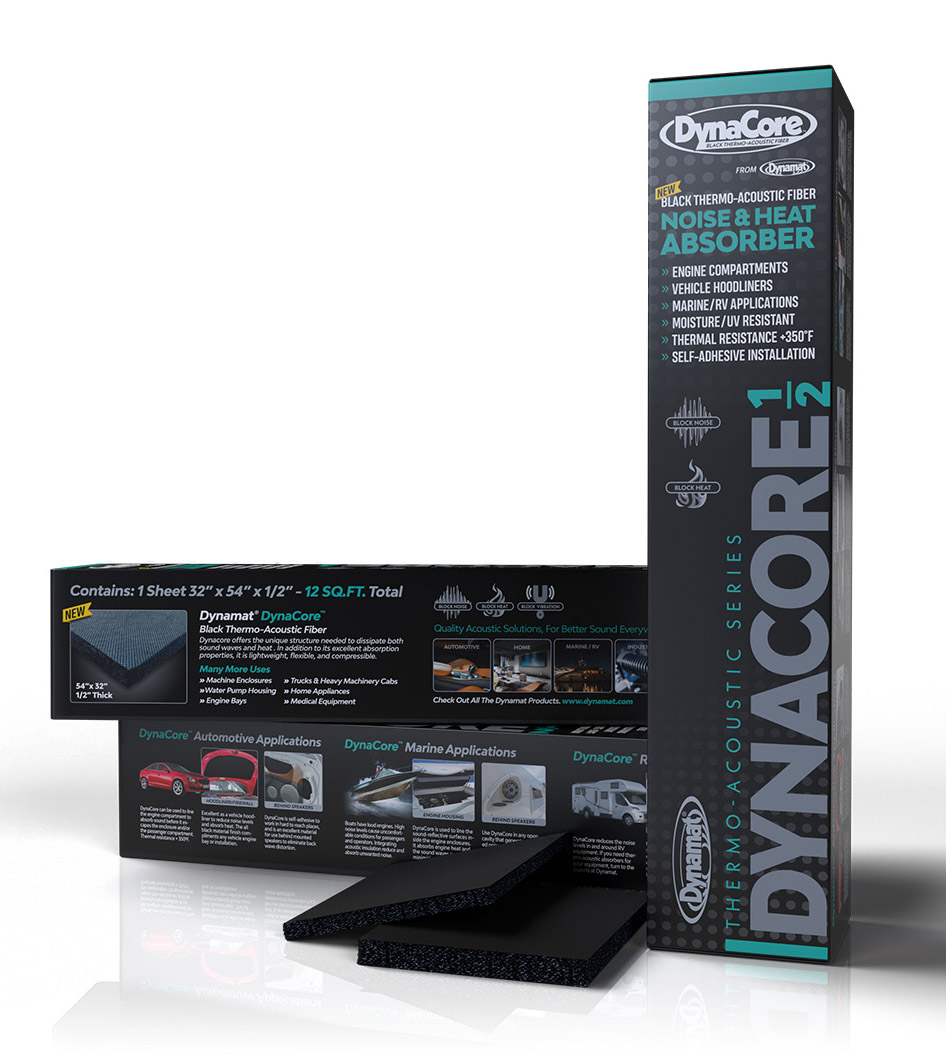
DynaCore Thermo-Acoustic Insulation
Noise and Heat Absorber in One! Dynacore offer the unique structure needed...
-
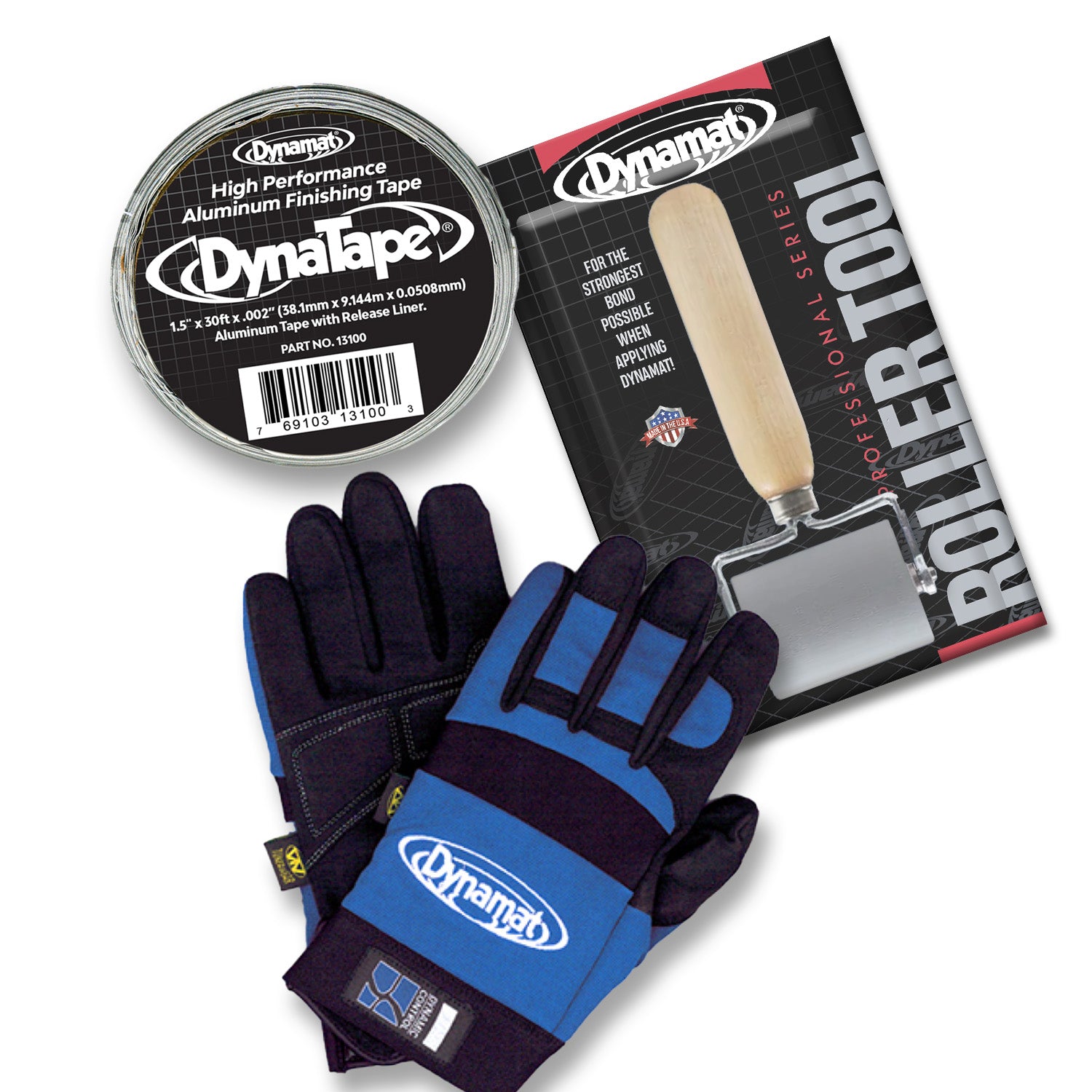
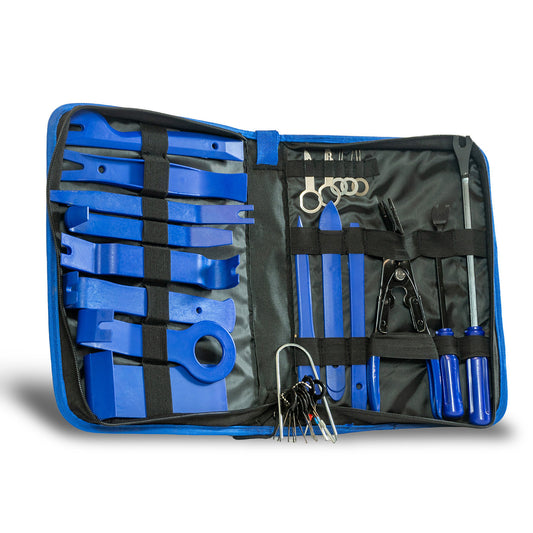
Dynamat Tools
From applying Dynamat and ensuring proper adhesion with professional-looking results to sealing...
Dynamat Xtreme: FAQs
Is car sound deadening worth it?
Explore our car audio sound deadening collection for audio-specific installation options.
What is the best material for sound deadening a car?
Where should I install sound deadening in my car?
From there, the trunk, wheel wells and roof are the next tier of improvement.
How much Dynamat do I need for my car?
- The Speaker Kit handles speaker mounting locations.
- The Door Kit covers full door panels
- The Trunk Kit treats full trunk and wheel wells
- The Bulk Pack is designed for partial interior work, letting you prioritize the floor, firewall, or wherever noise is the primary issue.
- For complete coverage, the Mega Pack and Installer Pack are the right scope for a full interior build.
- The Squared 18 Pack is sized for repeat builds across multiple vehicles.
When you’re not sure where to start, doors, floor and trunk deliver the most noticeable improvement per square foot treated.
Can I install Dynamat myself?
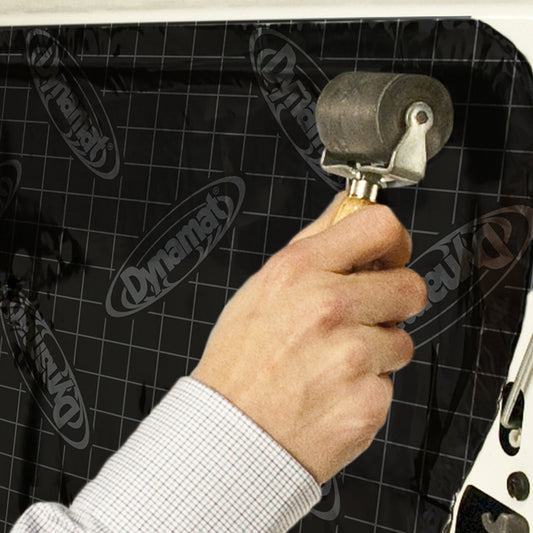
Surface prep is the key step. Degrease the panel thoroughly before installation, and use a roller tool to eliminate air pockets and ensure full contact.
The Dynamat installation tools collection includes the professional roller that’s the standard specification for this step. With solid surface prep and consistent roller pressure, the material performs the same, whether it's installed by a professional or a first-time builder.